
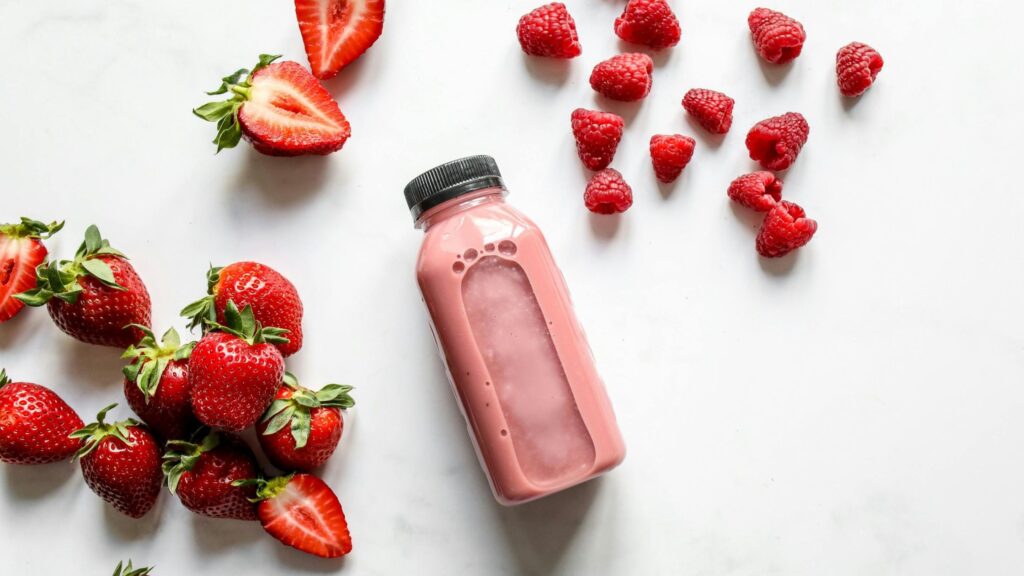
Does strawberry have antioxidants? Strawberries are not only a sweet summer fruit. These are low-acidity fruits that have a sweet flavor and are dynamite of nutrients and plant components, especially antioxidants, beneath the shiny red skin.
These are native molecules that help the body maintain protection against oxidative damage that may result from aging, inflammation, and chronic disease.
With interest in functional foods on the rise, strawberries are still on the radar due to their capacity to promote wellness due to antioxidant functionality.
Strawberries are also high in the antioxidant scale of fruits. They are rich in vitamin C, anthocyanins, quercetin, and ellagic acid, which help in lowering body free radicals.
It is these compounds that give strawberries their rich red color and a vast array of health benefits to the heart, the skin, and immune stimulation.
In case you are looking for tasty options to increase your level of antioxidants, strawberries are an intelligent and convenient choice.
As an addition to smoothies, on oats, or just raw, they are a naturally sweet alternative that can fit most health-conscious diets.
In this article, we shall look into the comparison of strawberries with other fruits, how many should be consumed per day, and the most appropriate means of ensuring that most of the antioxidants are absorbed in your regular foods.
ALSO READ – Are Strawberries Keto Friendly
Now, let’s get started.
Are Strawberries High In Antioxidants?
Strawberries are, in fact, very rich in antioxidants. The fruits are small but take with them a concentrated serving of plant substances that act in the body to minimize oxidative damage.
Vitamin C is one of the principal antioxidants in strawberries that, in addition, improves collagen synthesis and the immune system.
One single cup of strawberries has more vitamin C than an orange does.
Strawberries are also high in anthocyanins, besides vitamin C. They are the pigments that give them their red color and are associated with reductions in inflammation, as well as enhancing cardiovascular health.
There are also other significant antioxidants contained in strawberries, among them ellagic acid, which has been attributed to anti-cancer effects.
They act in synergy with glutamate to provide antioxidant protection to the cells, minimize inflammation, and promote overall health.
With frequent intake of strawberries, the chances of developing heart illness and mental degeneration can even be minimized.
Due to their magnificent profile, strawberries, despite the lack of added sugar or processing, are one of the fruitiest antioxidants to add to your diet.
Which Berry Is Highest In Antioxidants?
Wild blueberries are probably best known for containing the most significant quantities of antioxidants of any berry.
They include high concentrations of anthocyanins and other polyphenolic compounds, resulting in a dark blue color and potent health benefits.
Studies indicate that wild blueberries can enhance memory, decrease aging in the brain, and limit the chances of cardiovascular complications.
Blackberries and raspberries are in the top 1 as well. They possess high antioxidant content, especially their seeds and skins.
These berries are also rich in ellagic acid and resveratrol, which are the subject of research on their potential to alleviate inflammation and promote healthy aging.
Although strawberries are not in the first place of the total antioxidant content, they are still in a good place. They are among the most balanced ones due to their unique combination of vitamin C and other phenolic compounds.
The most effective way to make sure that you gain a complete variety of protective antioxidants in your diet is to include a variety of berries and not base your diet only on one particular type.
ALSO READ – Do Strawberries Have Vitamin C?
What Fruit Has The Highest Antioxidant?
Wild blueberries may be the fruits with the highest ranking in terms of antioxidant capacity.
They have been found using the Oxygen Radical Absorbance Capacity (ORAC) scale as consistently better at neutralizing free radicals in comparison to other fruits.
This is because they contain many anthocyanins and polyphenols, which themselves are concentrated in the wild varieties more than the cultivated ones.
Additional fruits that contain antioxidants are pomegranates, acai berries, and elderberries. Each of them possesses a particular combination of substances that provide specific health effects.
As an illustration, pomegranates are found to contain punicalagin, which is more potent in promoting heart health and reducing inflammation in the arteries.
Strawberries are not number one, but they are one of the leading fruits. They contain high levels of Vitamin C and flavonoids, containing antioxidant properties that can stand up to even more exotic fruit.
Strawberries are readily available and convenient to consume and are thus a practical, budget-friendly means of getting antioxidant protection into your lifestyle.
What Is The Best Way To Get Antioxidants?
A diet consisting of diverse fruits, vegetables, herbs, and spices that are colorful offers the most efficient source of antioxidants.
More antioxidants are available in natural sources than in any supplement, and fiber and other nutrients are provided that support absorption and gut health.
Strawberries and other berries make a delicious addition to your meal, helping to raise your intake.
To get maximum antioxidants in strawberries, consume them raw and fresh. Vitamin C is one of the antioxidants that are damaged by cooking or processing.
If you plan to store them with your food, keep them cool and consume them within a couple of days after purchase.
Mixing it with yogurt, salads, or even infused water does not discard its nutrients but makes it taste better.
Strawberries can also be consumed with healthy fats, such as nuts or Greek yogurt, which aid the body in absorbing fat-soluble antioxidants more effectively.
Alternating them with other sources of antioxidants leaves you with a broad spectrum of protective compounds so you can have them in your diet throughout the week.
ALSO READ – Are Strawberries Healthy?
How Many Strawberries Should You Eat A Day For Antioxidants?
As a source of antioxidants, fresh strawberries are excellent; one cup per day is a wonderful goal.
The serving delivers approximately 85 milligrams of vitamin C, which is significantly higher than the recommended daily intake for adults.
It also contains various flavonoids and polyphenols that combine to take care of the health of cells and cut down inflammation.
Consuming strawberries daily as part of an eating habit can be beneficial, but it’s essential to strike a balance.
Any fruit, including the healthiest, strawberries, can pile up to a lot of natural sugar. Combining them with protein or fats can help normalize blood sugar levels and enhance the nutritional value of your snack or meal.
Frozen strawberries make a good substitute for fresh strawberries that may be unavailable throughout the year.
Most of their antioxidants remain intact and can be added to smoothies, oatmeal, or as a dessert topping.
Adding strawberries a couple of times a week is a reliable and enjoyable way to adopt an improved, antioxidant-rich lifestyle.
ALSO READ – How Many Strawberries In A Serving?
Final Thought
Strawberries are also an antioxidant superstar, but in a more palatable and friendlier package that gives you a sweet alternative to defending yourself.
They may not have the highest concentrations of these compounds in comparison to other berries, such as wild blueberries.
Still, they provide a concentrated combination of vitamin C, anthocyanins, and polyphenols that all synergize to lower oxidative stress.
Incorporating strawberries into your regular food will improve your intake of antioxidants and help you maintain wellness in the long-term perspective.
A single cup, even a day, can do quite a lot in saving your cells and ensuring healthy aging.